

Pressure Injury Prevention: Cushions, Mattresses and More
Pressure injuries (also called pressure sores or bed sores) can develop when skin is under pressure for too long, especially over bony areas like the tailbone, hips and heels. People who spend long periods in bed or a wheelchair, or who have reduced movement or sensation, can be at higher risk.
Important: this guide is general information only. If you or someone you care for is at risk of pressure injuries, or has any signs of skin damage, talk to a nurse, GP or occupational therapist. They can assess the risk and recommend the right equipment and care plan.
How equipment can help
Pressure care equipment works alongside regular repositioning, skin checks, good nutrition and hydration. Equipment is designed to spread pressure, reduce friction and shear, and manage heat and moisture.
Seating: cushions
- Foam and memory foam cushions for comfort, such as the Icare Visco Seat Cushion.
- Pressure care wheelchair cushions using air, gel or contoured foam, such as the JAY Ion, JAY J2 Deep Contour and ROHO Quadtro Select. These are usually chosen with a therapist.
- Custom seating for people with complex needs, made by our Mobility and Seating team.
Bed: mattresses and overlays
- Pressure care mattresses, from foam to air systems. See our bed pressure management range.
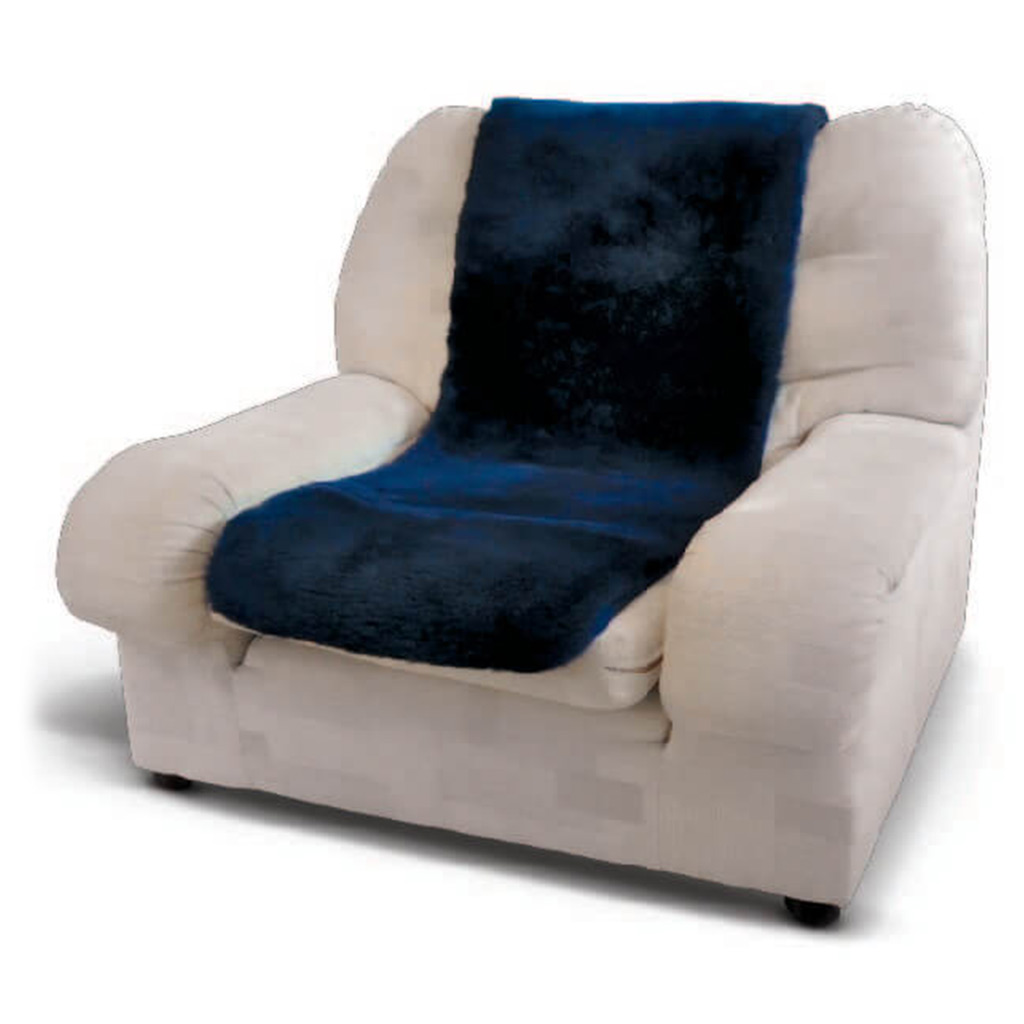
- Medical sheepskins, such as Shear Comfort XD1900 overlays, which meet the Australian Standard for medical sheepskins.
Protecting heels, elbows and other areas
Sheepskin heel protectors, armrest protectors and foot protectors can help protect areas that press against beds and chairs.
Choosing the right equipment
- Get a clinical assessment of the person’s risk.
- Match the equipment to the level of risk and the person’s weight, posture and daily routine.
- Check the equipment is set up correctly and maintained.
- Review regularly, as needs can change.
Need equipment quickly, for example after a hospital stay? Ask about hiring a pressure care mattress.
Try before you buy. Want advice on pressure care equipment? Book a free trial or call (08) 8424 6160.
Pressure care FAQs
Can a cushion or mattress prevent pressure injuries on its own?
No. Equipment helps, but pressure injury prevention also relies on regular position changes, skin checks, good nutrition and hydration, and managing moisture. Follow the plan from your nurse or therapist.
How do I know which cushion or mattress I need?
The right equipment depends on the person’s risk level, weight, posture and how long they sit or lie down. A clinician should assess the person and recommend equipment.
Can I hire pressure care equipment?
Yes. Ask about hiring pressure care mattresses and other equipment.
Get the right pressure care
Free equipment trials
Talk to us about cushions, mattresses and sheepskins, or book a free trial.
Book a free trial