

Adaptive Cutlery and Plates: A Guide to Easier Mealtimes
Eating independently is about more than food. It’s about dignity, confidence and enjoying meals with others. If holding cutlery, scooping food or lifting a cup is hard, the right eating aids can make a real difference.
Which eating aid for which need?
| If you… | Try |
|---|---|
| have a weak grip or arthritis | Foam handled cutlery, Good Grips built-up cutlery, Caring Cutlery |
| have limited wrist or arm movement | Bendable cutlery, Queens Angled Spoon |
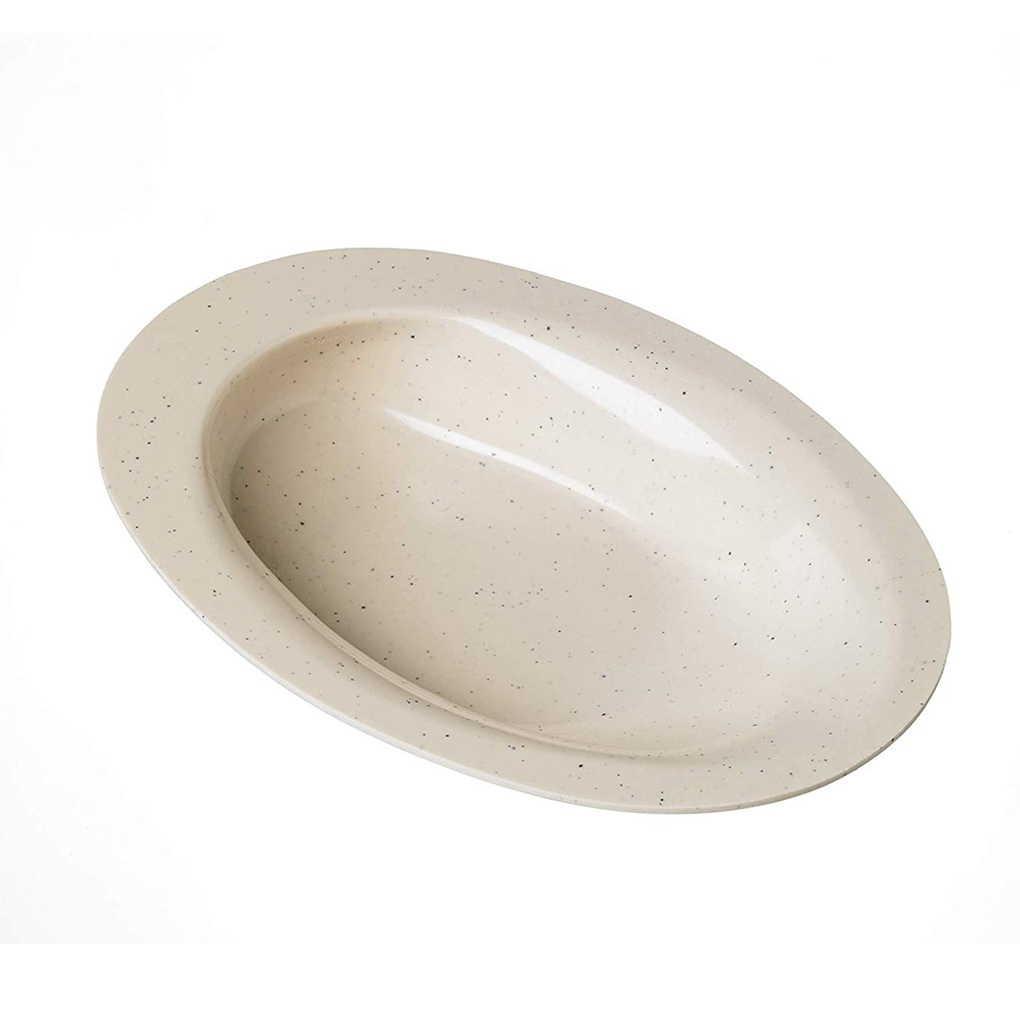
| eat with one hand | Manoy Contoured Plate, Scooper Plate, rocker knife |
| find plates slide around | Dycem Non-Slip Mat |
| have a tremor | Handsteady Mug, two-handled mugs |
| have feeding or oral motor difficulties | Maroon Spoon, Flexi Cut-Out Cup, Sip-Tip Cup |
Adaptive cutlery
- Built-up handles are thicker, so they’re easier to hold with a weak grip.
- Bendable cutlery can be angled to reach your mouth if your wrist or arm movement is limited.
- Angled cutlery, like the Queens range, comes in left and right-handed versions.
- Rocker knives cut with a rocking motion, so you can cut food with one hand.
- Weighted cutlery can help some people with tremors.
Plates, bowls and mats
Scoop plates have a high side to push food against, so it goes onto your spoon instead of off the plate. Non-slip mats stop plates and bowls sliding, which is especially helpful if you eat one-handed.
Cups and drinking aids
For hands-free drinking systems, one-way straws, dysphagia cups and a side-by-side cup comparison, see our eating and drinking aids page.
Two-handled mugs, cut-out cups and valve straws can make drinking easier and reduce spills. People with swallowing difficulties should follow the advice of their speech pathologist on cups, straws and fluid thickness.
Tips for success
- Try one change at a time, so you can see what helps.
- Sit upright and well supported at the table.
- Ask an occupational therapist for advice if you’re not sure what to try.
Many low-cost eating aids can be bought with NDIS funding for low-cost assistive technology, or through aged care. Learn how to pay online with the NDIS.
See them in person. Browse all eating and drinking aids, or visit our Hindmarsh showroom to try them.
Eating aid FAQs
Is adaptive cutlery dishwasher safe?
Many adaptive utensils are dishwasher safe, including the Good Grips range. Check each product’s care instructions.
What cutlery is best for arthritis?
People with arthritis often find built-up or foam handles easier to grip, and lightweight cutlery easier to lift. An occupational therapist can help you find the right option.
What is the best plate for eating one-handed?
A scoop plate or contoured plate with a high side, on a non-slip mat, lets you push food onto your spoon or fork without the plate moving.
Are there eating aids for children?
Yes. Many aids, like the Maroon Spoon, Flexi Cup and scoop plates, are used by children as well as adults. See our paediatric range.
Make mealtimes easier
Eating and drinking aids
Shop adaptive cutlery, plates, cups and non-slip mats.
Shop eating aids